

In the current digital environment, utilizing appropriate software is vital for personal as well as professional success. Whether you're a small business manager, a freelancer, or someone managing a household, the operational productivity and efficiency of your operations often depend on the tools you opt for. Among these tools, software licenses play a key role in ensuring that you have access to the applications you need and remaining compliant with laws.
When it comes to popular software, Microsoft Office and Windows licenses are considered to be the most desired. Such licenses not only grant you access to powerful applications like Word, Excel, and PowerPoint but also ensure that your operating system operates seamlessly and securely. Understanding how to deal with the complexities of obtaining these licenses is important for maximizing the full potential of your digital workspace. In this guide, we will investigate the various kinds of licenses available, helping you make informed decisions tailored to your personal needs.
Comprehending Software Licensing Agreements
Software licenses are crucial arrangements that grant consumers the right to use a specific software tool under particular terms. They define how the software can be used, who can use it, and any constraints that may apply. Comprehending these licenses is key for both individuals and companies to guarantee compliance and make informed purchasing decisions.
Licenses can fluctuate significantly between different software products. For instance, Microsoft Office licenses typically come in various forms, such as retail, volume, and subscription-based choices. Each kind presents specific benefits and aspects, catering to various user needs and organizational requirements. Knowing the differences can help in selecting the best license that suits your needs and budget constraints.
Furthermore, Windows licenses follow a parallel framework with several options available to cater to varied consumer segments, from single users to big enterprises. These licenses often involve details such as duration, activation, and the number of computers authorized. Therefore, it is crucial to evaluate your specific needs and understand the implications of the license you choose for optimal software employment.
Types of Microsoft Office Licenses
When purchasing Microsoft Office licenses, it's important to know the different types available to meet different needs. The most popular license types include the Office 365 subscription and the one-time purchase option. Office 365 offers a subscription-based model that offers users the regular updates and cloud features. This license is ideal for those who want the newest software and access to online services like OneDrive and SharePoint.
In comparison, the one-time purchase option enables users to purchase Microsoft Office for a one-time fee. This type of license is well-suited for users who prefer to have a fixed version of the software without ongoing costs. However, it should be noted that this version does not include the newest features or updates, making it not as adaptable than the subscription model.
In addition, Microsoft presents various plans under the Office 365 portfolio catering to corporations and educational institutions. These licenses often come with advanced features, including team collaboration tools and email hosting through Exchange. Knowing these options enables buyers to pick a license that best aligns with their personal or organizational requirements.
MS Windows License Options
In acquiring a Windows license, users have several options customized to different needs and budgets. The typical types of licenses are the Consumer, OEM, and Volume licenses. buy Microsoft Office License are purchased directly from Microsoft or official resellers and can be switched to a different computer, making them flexible for users who may change devices. OEM licenses are typically preloaded on new computers and are bound to the hardware, which means they cannot be swapped once activated. Volume licenses are designed for companies and academic institutions, allowing them to purchase licenses in large quantities at a reduced rate, providing convenience for multiple installations.
For personal users, the Retail license is often the optimal choice due to its versatility. With this option, individuals can effortlessly upgrade or switch their Windows version without much hassle. Microsoft's website or authorized retailers usually provide clear buying guidelines, ensuring that users can find the appropriate edition—whether it's Windows Home for casual use or Windows Pro for professional features such as remote desktop access.
Organizations opting for Volume licensing should consider the Microsoft Volume Licensing Service Center, which streamlines the management of various licenses. This option not only provides financial benefits but also provides additional benefits like Software Assurance, which keeps licenses current with the latest updates and features. By understanding these different Windows license options, users can make informed decisions that best fit their business needs. spintax ### License Management Best Practices
Effective license management is crucial for organizations to maximize their software investments while ensuring compliance with legal requirements. The initial step in establishing a robust license management process is to maintain an accurate inventory of all software licenses your organization holds. This includes tracking the number of installations, the types of licenses purchased, such as Microsoft Office Licenses and Licenses for Windows, and their corresponding expiration dates. Consistently reviewing this inventory helps identify any discrepancies and ensures that you are not over or insufficiently utilizing your licensed software.
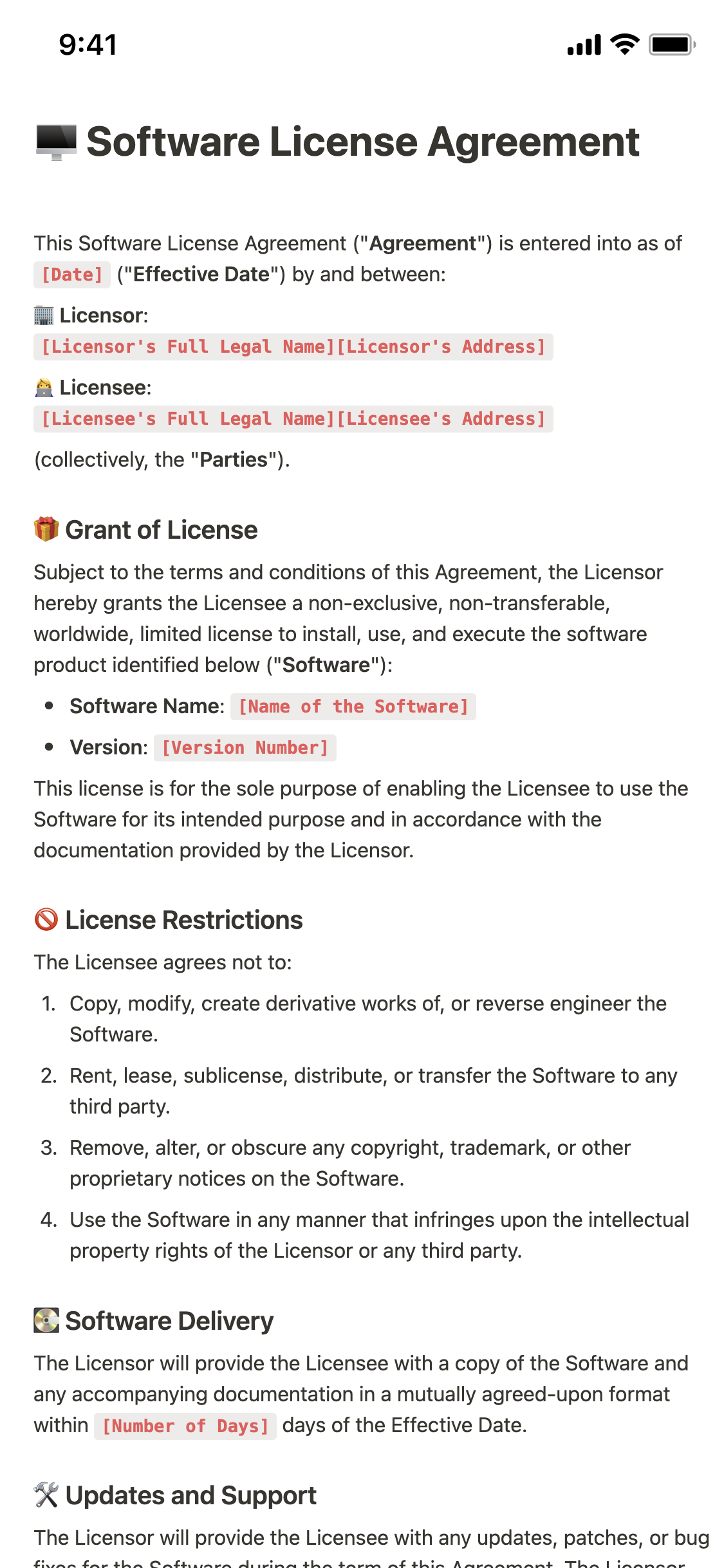
Another important aspect of license management is to establish clear policies and procedures for software usage and procurement. Educate employees about the importance of adhering to licensing agreements and provide guidelines on how to request additional software or upgrades. This not only fosters compliance but also helps in forecasting upcoming licensing needs based on user demands and growth. By establishing a clear process, organizations can minimize the risk of accidental violations and optimize their software expenditures.
Lastly, consider leveraging license management tools that streamline tracking and compliance reporting. These tools can help monitor software usage, notify you of license renewals, and assist in compliance audits. By adopting technology solutions, organizations can minimize the manual effort involved in license management and ensure they remain compliant with vendor agreements. An effective license management strategy supports operational efficiency and helps avoid unnecessary costs associated with violations of compliance.